

Host toolkit for
‘Thriving in this Land’
This page will be your one-stop shop for hosting these sessions, with key steps to get ready for hosting your sessions and to make them as effective a learning environment as possible:
Step 3: Access session content:
Step 4: Watch the video on creating accessible and safe discussion spaces
Welcome!
We’re delighted you’ve chosen to host Thriving in this Land in your church or small group.
We hope these three sessions can be a rich time of learning together about how our nation can respond to the changing climate, the cost of living, and honour the Treaty. Please watch our welcome video below.
The Cost of Living session is now live and can be accessed below. Resources for the Climate and Treaty session are currently being finalised. You can preview the content for those sessions under Step 3 of this toolkit below.

Step 1: Choose dates and venue
We invite you to choose dates to host your 3 sessions, thinking about good internet access and access to a screen, TV or projector. Think too about an accessible venue to remove barriers for people coming along. Hosting could be as simple as having a few friends gathered around a laptop in your home. Or you could host in your church, and project the videos onto a screen so a large group can watch together. You may like to do the sessions across 3 weeks, or space them out at 1 per month. Whatever suits your context best.
Each session is aimed at being 90 minutes, but we recommend setting aside 2 hours to include time for gathering people, having cups of tea, and any breaks you might want to allow for.
Once you’re ready to confirm your dates, please let us know using the confirmation form below.
This is important so that we can check in with you ahead of hosting, and send you and your participants follow up resources after each session.
Step 2: Invite people
Once you have chosen dates and a venue, it’s time to start inviting your faith community along.
The button below contains promotional material to help you advertise your sessions:
a link to the promotion trailer,
slides to put up in church,
Instagram and Facebook images and a blurb that can be included in a church newsletter or to make a Facebook event.
It’s important to get people to RSVP to you, so that you can keep track of numbers.
Be mindful of the capacity of your venue and the number of people you could host without it feeling overwhelming. Find someone or a team of people to host with - we recommend having at least one facilitator for every 7-10 participants.
Consider whether there are particular individuals who it may be necessary to say no to in order for the rest of the group to be able to discuss safely and without disruption.

Step 3: Access session content
Please see below the outlines for each session and buttons to access each session’s content.
The Cost of Living
Here are the links to the session materials.
The session folder contains:
Host booklet in PDF form. Video links are embedded in.
Slides with the video links embedded so they will play when you click the slide. (PowerPoint and Google Slides versions.)
Document containing links to the videos on YouTube and links to download the video files.
In the ‘Cost of Living’ session of Thriving in this Land, we explore how these challenging economic times are affecting people on the lowest incomes in Aotearoa. Leading service providers, church leaders, and people who live these realities every day feature in three videos to help us understand:
What does our faith have to say about loving our neighbour in tough economic times?
Are incomes keeping pace with the cost of living? Who is left behind?
How does housing contribute to the challenges New Zealanders are facing?
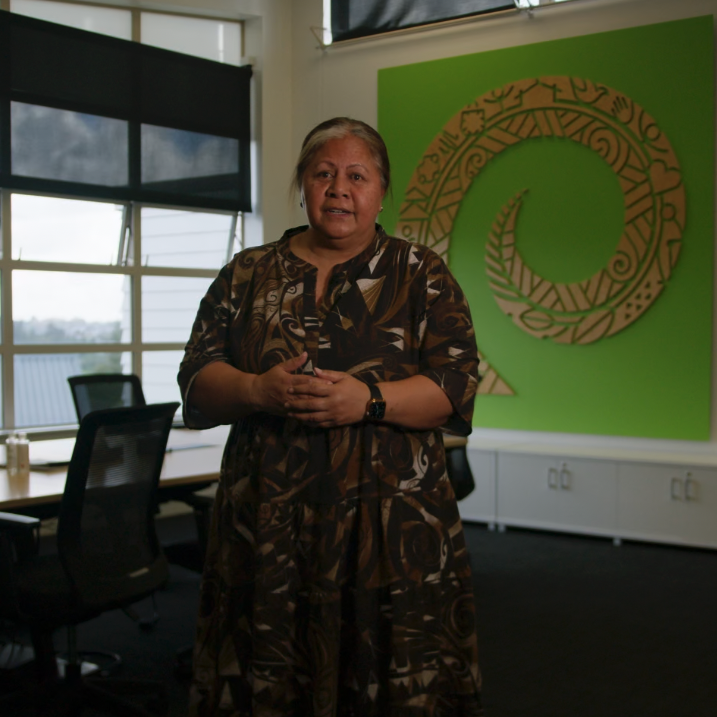
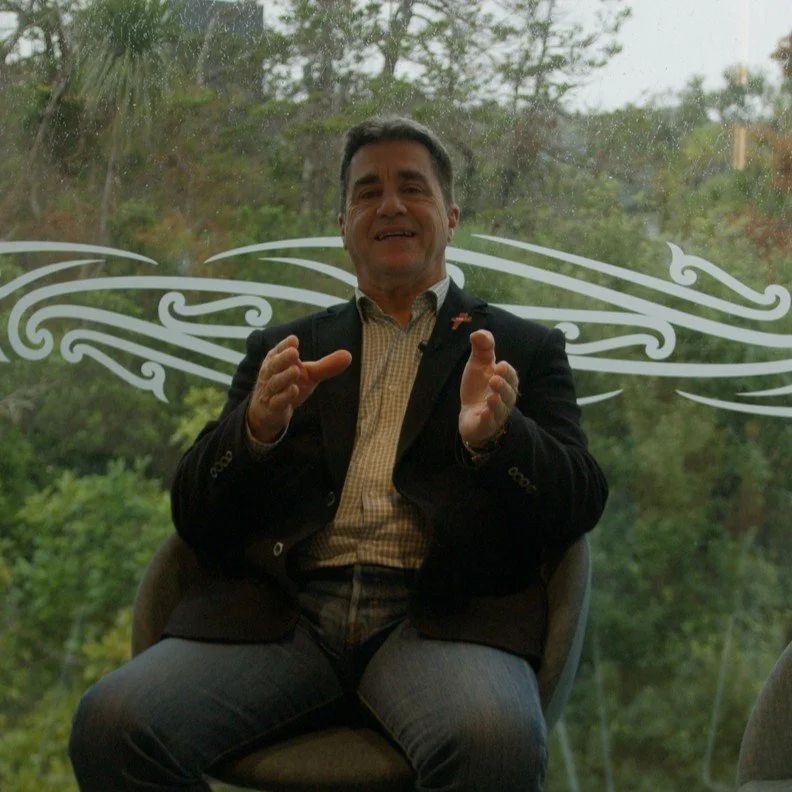
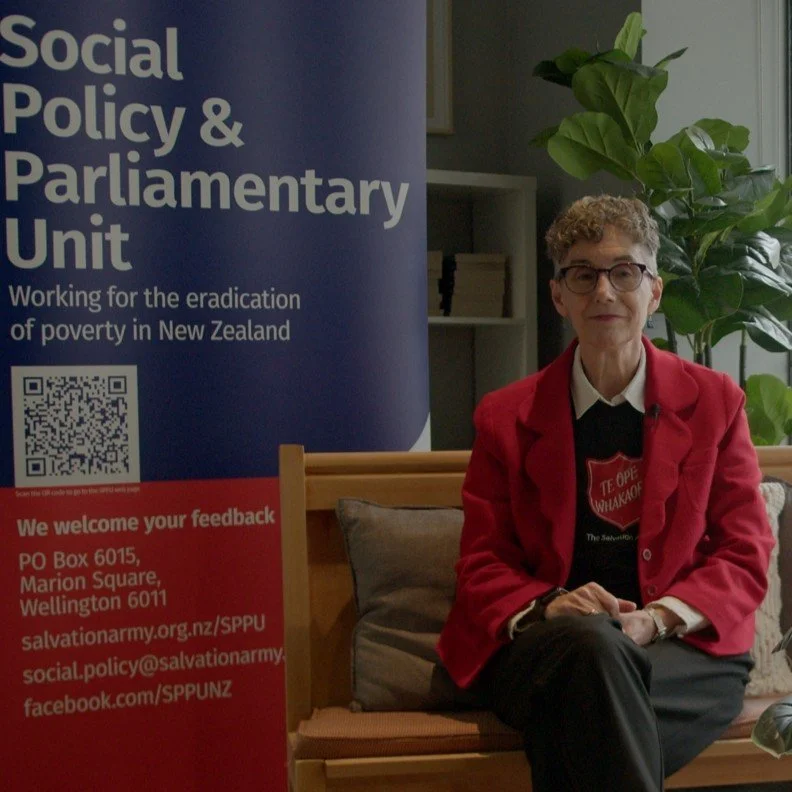
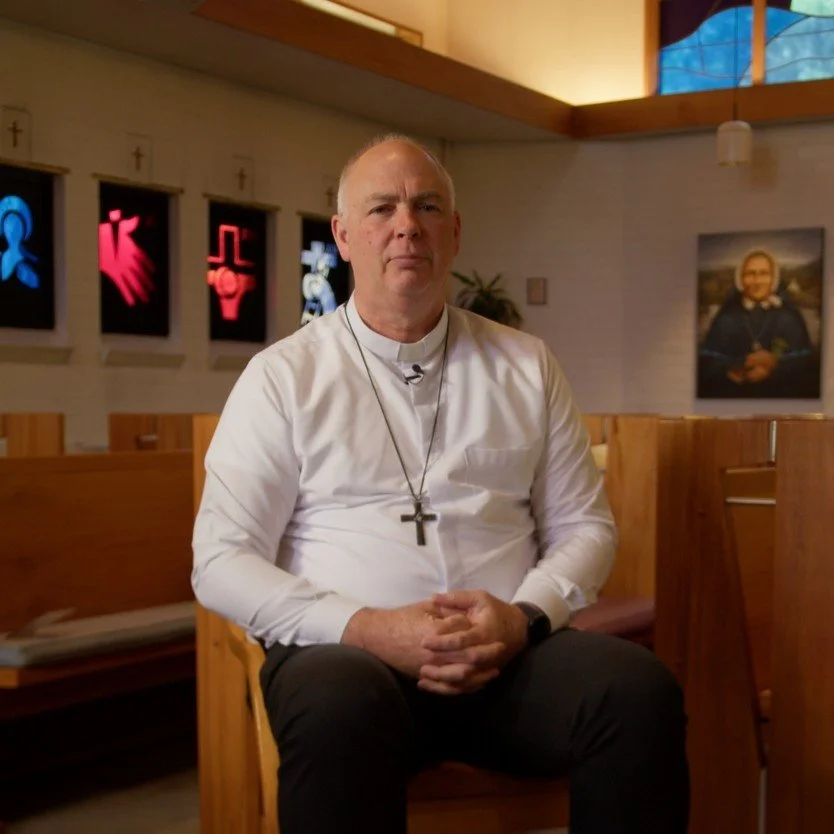
Expert voices and lived experience
We are honoured to feature a range of perspectives to guide these conversations:
Reverend Murray Edridge, Wellington City Missioner
Catholic Archbishop of Wellington, Paul Martin SM, sharing Catholic Social Teaching
Judy Matai'a, Director of Housing at Visionwest Waka Whakakitenga, on the value of Housing First as a model for addressing long-term homelessness
Dr Bonnie Robinson MNZM, Director of the Salvation Army Social Policy and Parliamentary Unit, the team behind the annual ‘State of the Nation report’
Rev Charles Waldegrave, a leading researcher on housing deprivation and co-founder of the Family Centre Social Policy Research Unit
Mike Gourley, a broadcaster and accessibility advocate.
The Climate
Here are the links to the session materials.
The session folder contains:
Host booklet in PDF form. Video links are embedded in.
Slides with the video links embedded so they will play when you click the slide. (PowerPoint and Google Slides versions.)
Document containing links to the videos on YouTube and links to download the video files.
This climate session focuses on small group discussion around three short videos and an interactive activity, drawing on expert voices and lived experience to help your faith community grapple with questions like:
How does the extreme weather we've been facing connect to the biblical call to care for God’s creation?
What does the extreme weather in communities across the Pacific and here in Aotearoa mean for how we adapt and plan for the future?
What are the opportunities to act that can make the biggest difference to our climate footprint, and why does New Zealand's contribution matter in the global effort?
What's in our power as communities, and what can the government do to enable that?
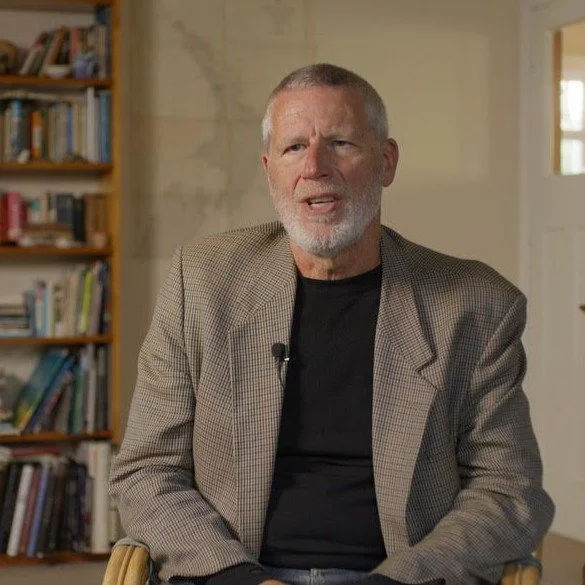
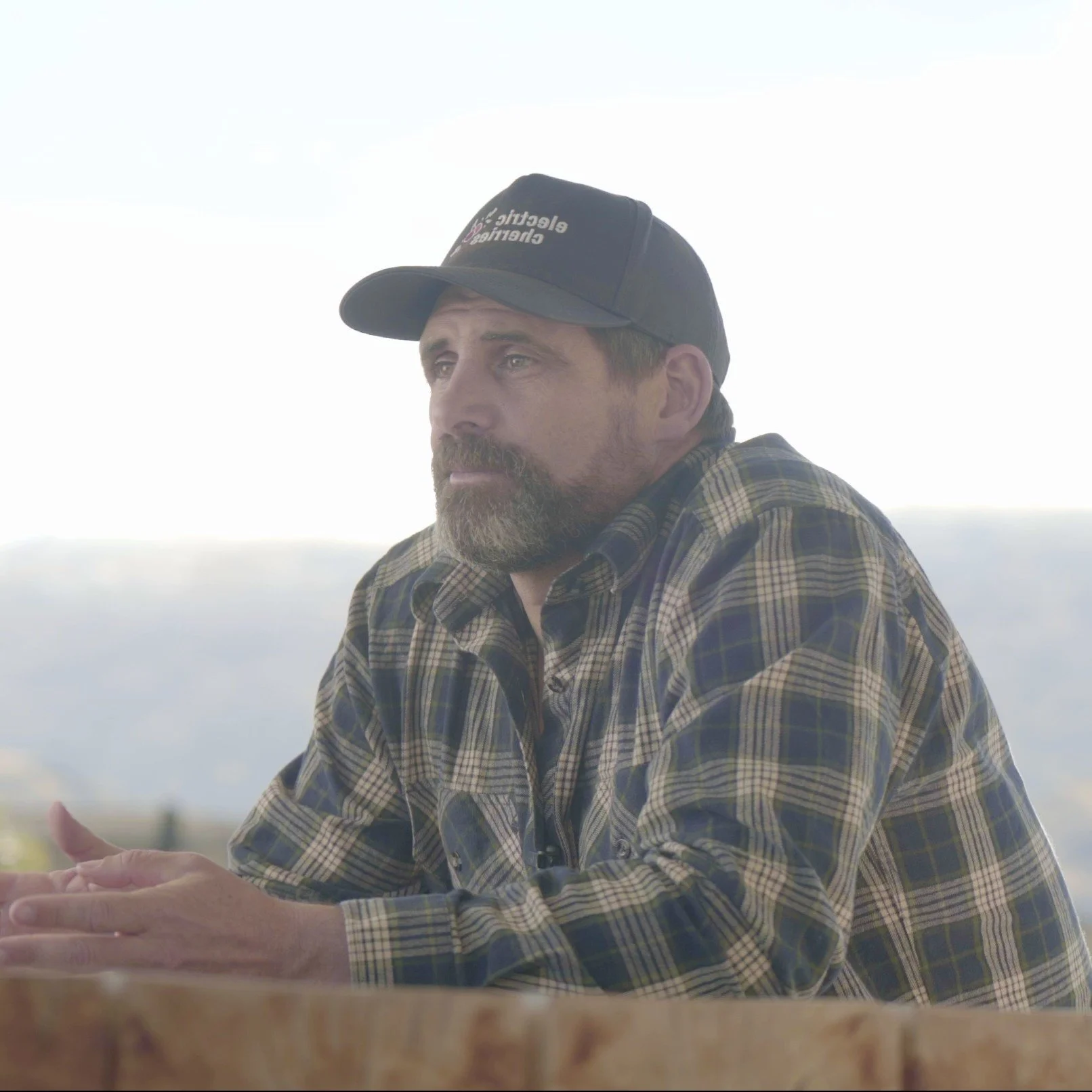
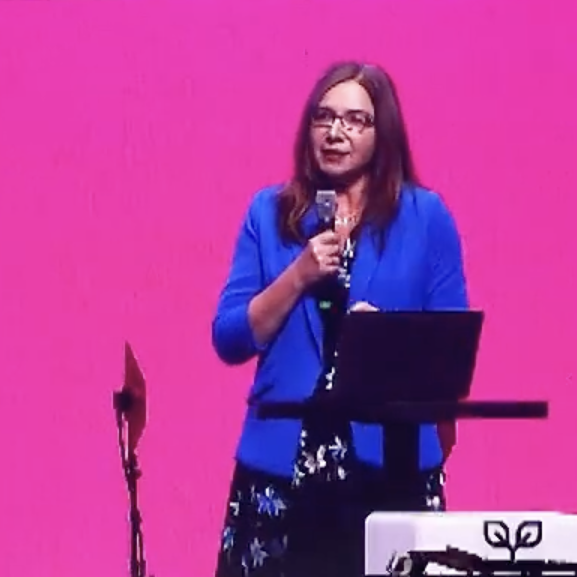
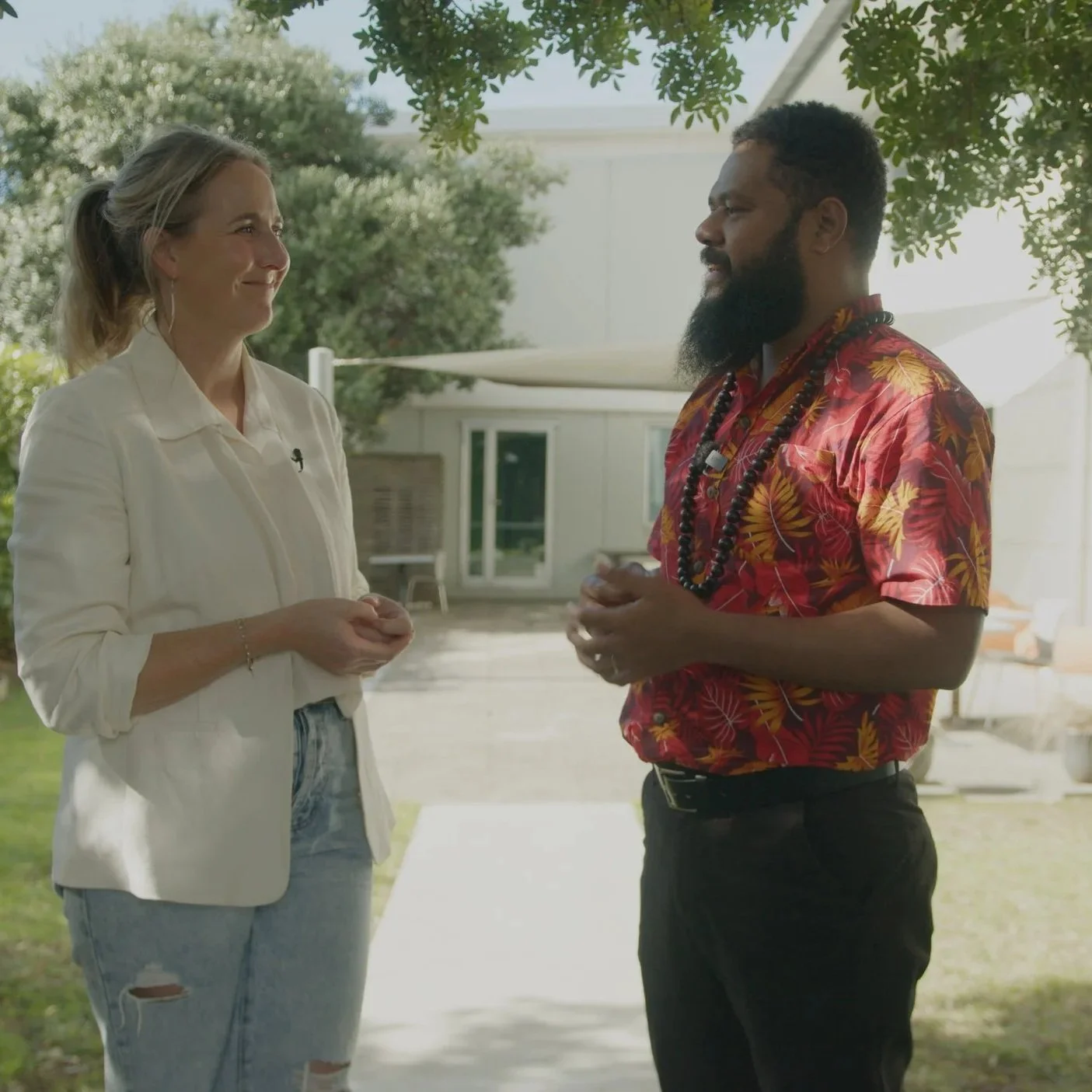
Expert voices and lived experience.
Professor Katherine Hayhoe, world leading climate scientist, explores the intersection of faith and environmental stewardship, highlighting the biblical call for Christians to care for God’s creation.
World Vision New Zealand and Pacific partners, on the realities of climate change for communities on the frontlines of the issue, and how we can resource and support communities to adapt to its impacts
Dr Rod Carr, inaugural chair of the Independent Climate Change Commission, speaks to why it matters in the global effort that New Zealand acts, and what the Commission has found is possible for us to achieve as a country.
Mike Casey, CEO of Rewiring Aotearoa, details the opportunity to electrify our homes and businesses to help the climate, save costs and ensure energy security in an unstable world.
The Treaty
Here are the links to the session materials.
The session folder contains:
Host booklet in PDF form. Video links are embedded in.
Slides with the video links embedded so they will play when you click the slide. (PowerPoint and Google Slides versions.)
Document containing links to the videos on YouTube and links to download the video files.
This session is designed to facilitate small group discussion through three short videos and an interactive activity, helping your community engage with vital questions:
The Christian Roots: How did the Christian legacy of the Clapham Sect and specific missionary connections lead to the formation of Te Tiriti o Waitangi?
The Content: What, specifically, does Te Tiriti o Waitangi say and mean in our context today?
The Journey of Reconciliation: What does the path of Crown-Māori reconciliation look like since the establishment of the Waitangi Tribunal, and why does this relationship matter so deeply to the Church?
Expert voices and lived experience
We are honoured to feature a range of perspectives to guide these conversations:
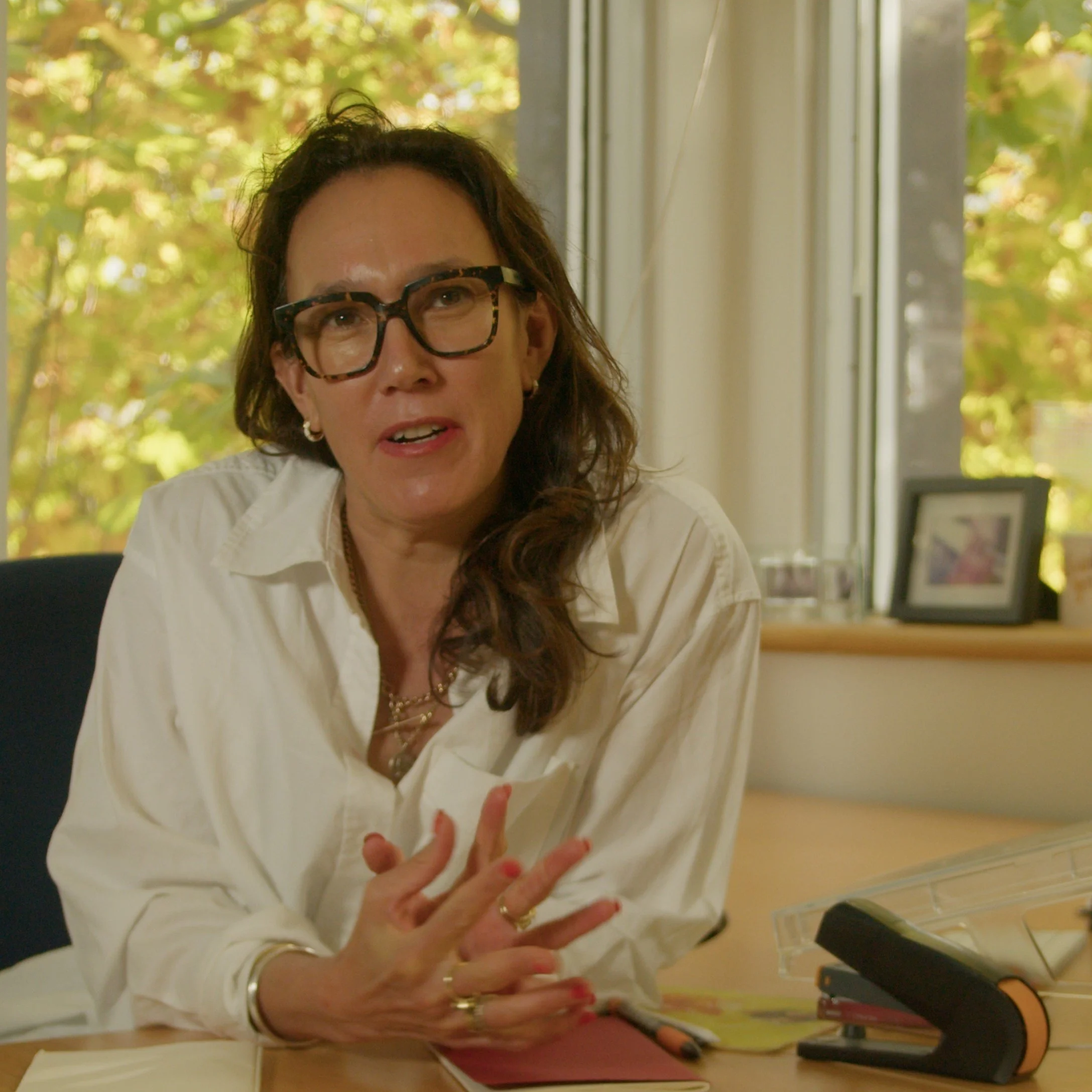
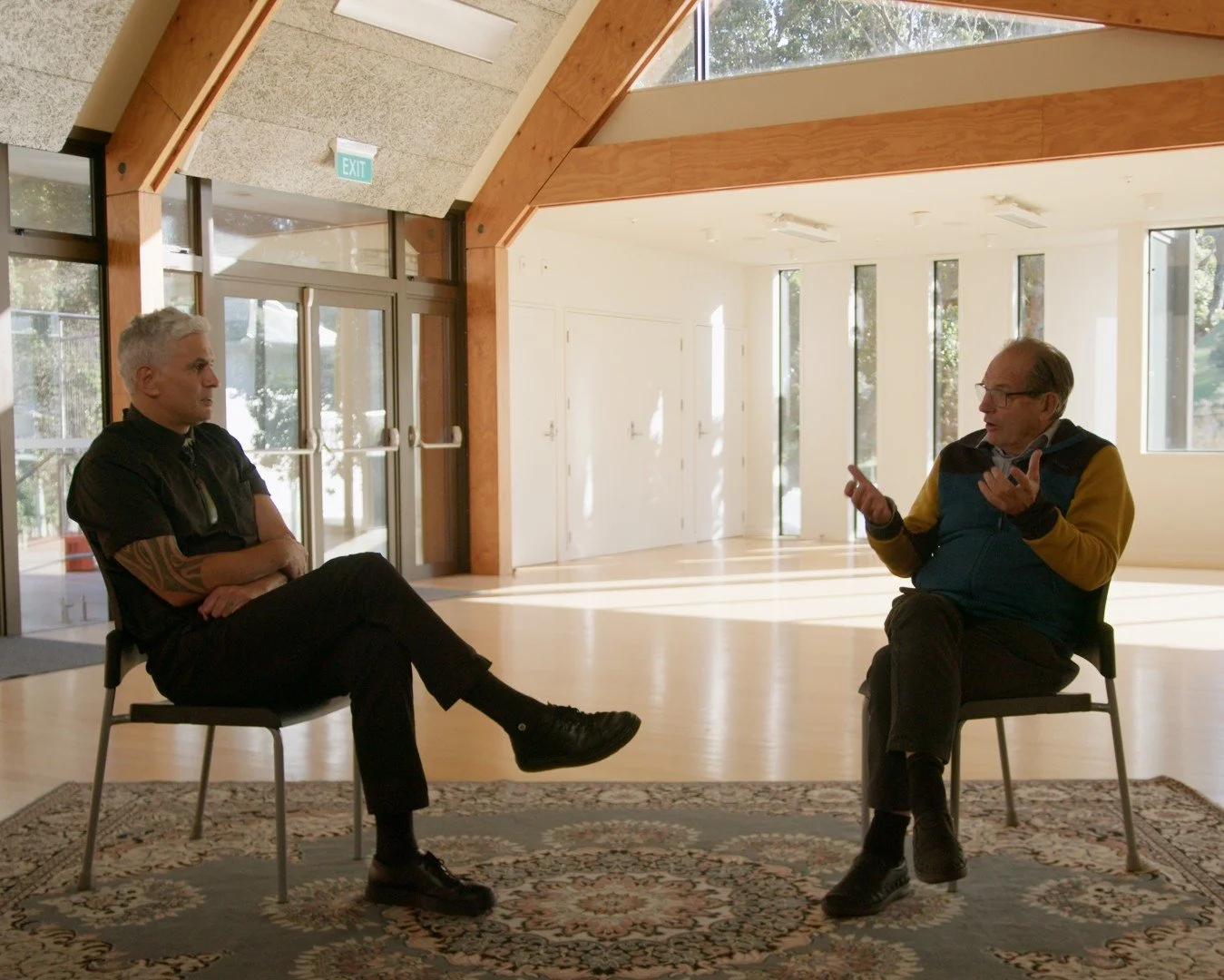
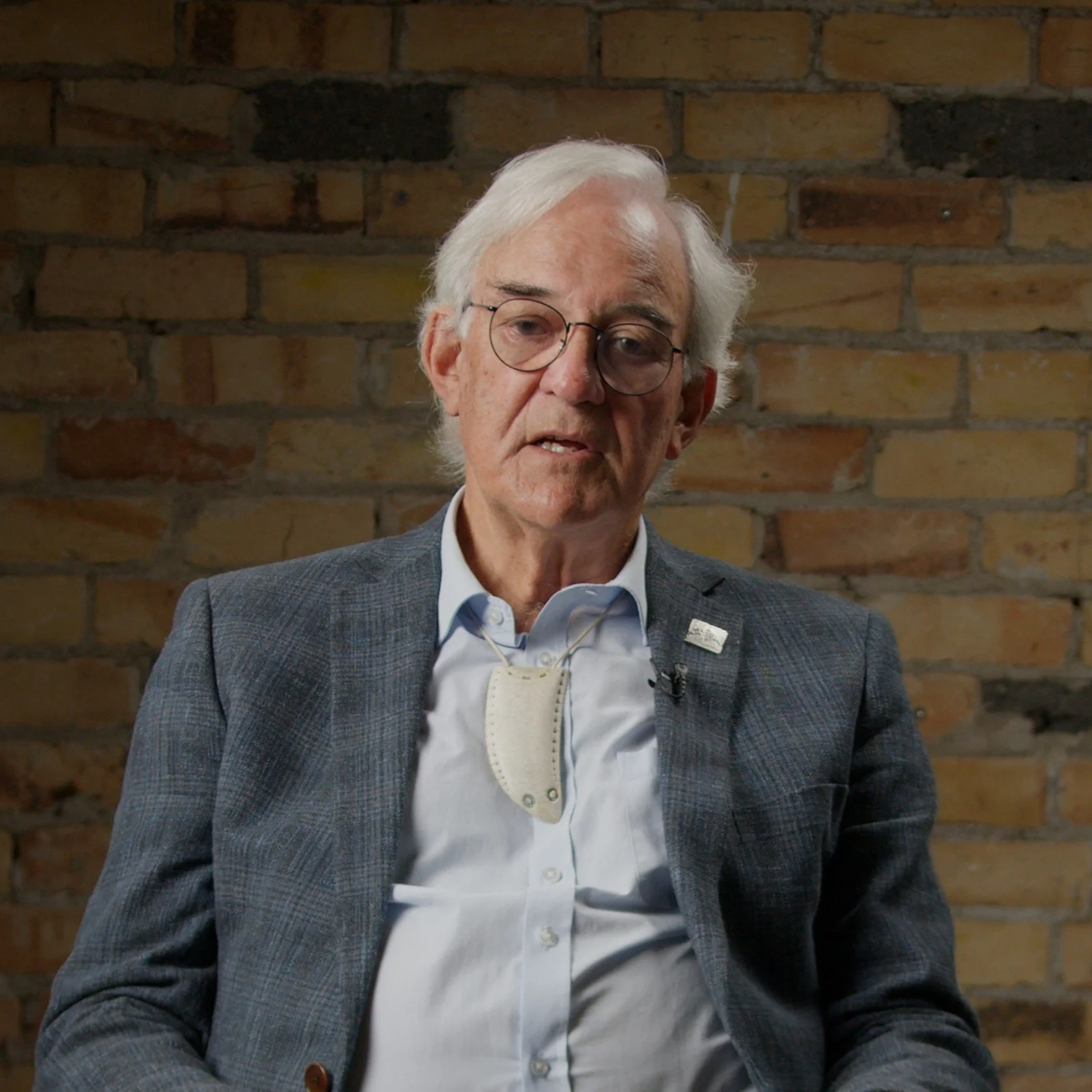
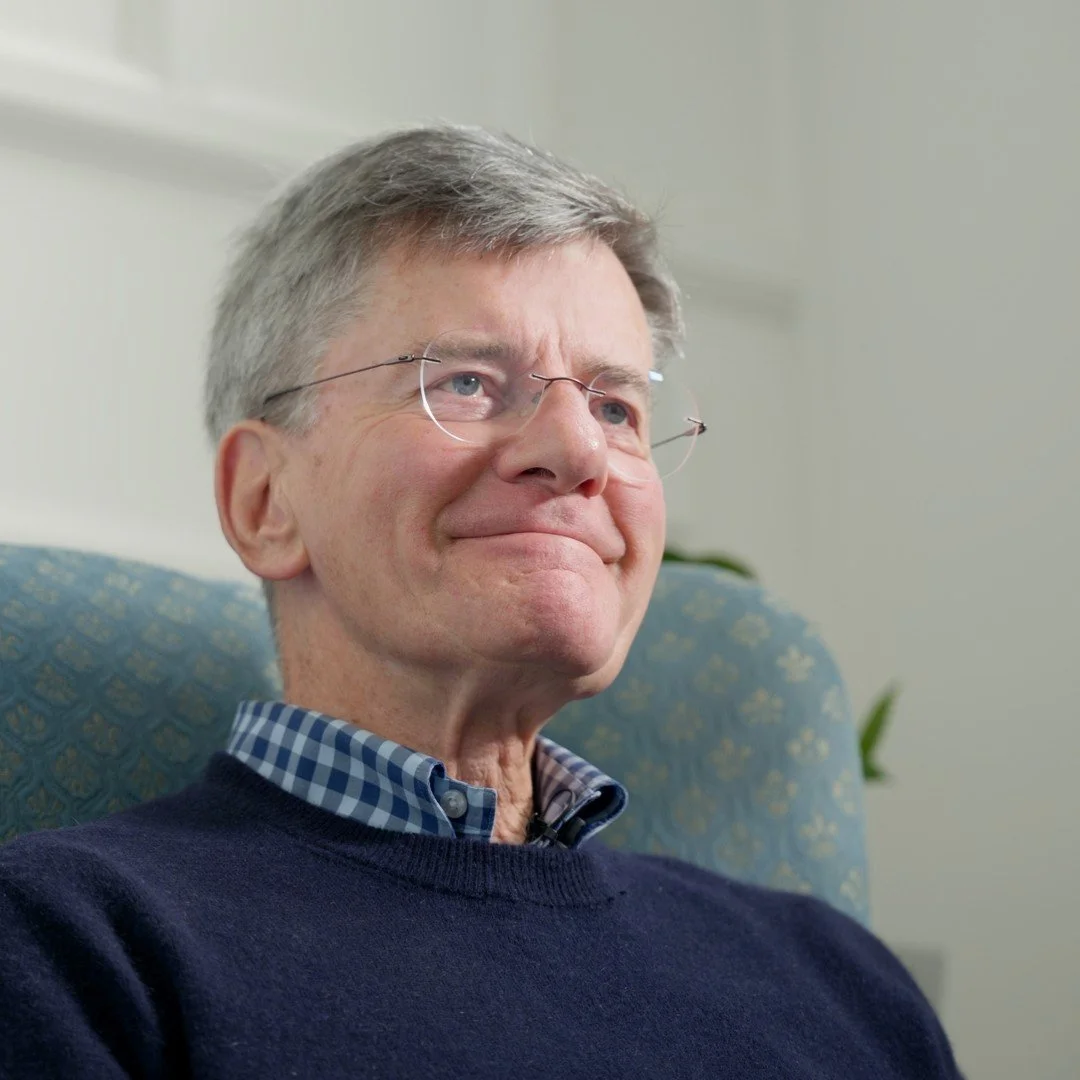
Dr. Alistair Reese: Treaty historian who explores the Christian legacy and historical foundations of our founding document.
Rev. Jay Ruka: Dean of Taranaki Cathedral and author of Huia Come Home, bringing a pastoral and historical lens to the conversation.
Dr. Carwyn Jones: Head Lecturer for Māori Laws and Philosophy at Te Wānanga o Raukawa, providing a summary of Te Tiriti's core components.
Hon. Christopher Finlayson: Former Minister of Treaty Negotiations (2008-2017), offering insights into the journey of Crown-Māori reconciliation.
Rev. Dr. David Williams: Member of the Waitangi Tribunal and Emeritus Professor of Law at the University of Auckland.
Professor Claire Charters (Ngāti Whakaue, Tūwharetoa, Ngā Puhi, Tainui): Professor at the University of Auckland Faculty of Law, specializing in Indigenous peoples’ rights in international and constitutional law.
Step 4: watch this video about creating safe discussion spaces
Step 5: Email participants ahead of time.
Once you know who is coming, email participants a few days before your first session so they understand what to expect, are clear about your role as facilitator and to set some ground rules for conversation. This is important as some might be learning this content for the first time, for some the content might relate directly to our lived experience, to minimise chances of harm and ensuring safe and gracious conversations.
It’s also a chance to invite participants to register so they can receive follow-up resources, including links to the videos to watch again after each session. They can do so at commongrace.nz/thriving-register.
-
Hi everyone,
We are looking forward to hosting you for 3 sessions of ‘Thriving in this Land’, a workshop series, helping us join the dots between our faith and the issues of the cost of living, the Treaty and the climate.
A reminder of our meeting details:
Dates for each session, time
Location (include any details about wheelchair access, parking or how to find the right place.)
What to bring: e.g. pen and paper,
The purpose of these sessions is learning together. Some of us might be learning this content for the first time; some of us the content might relate directly to our lived experience.
So that the sessions work well for everyone, here are the ground rules we will follow.
We will be curious, open and respectful, acknowledging everyone comes from a different background. We’ll be humble, look for what we have to learn from each other, and we’ll give others the benefit of the doubt
We’ll speak from our own experience. We’ll make sure we’re not generalising to entire groups of people or presuming anything about someone else’s experience. We’ll speak with “I” statements and questions (such as I believe, I wonder, I struggle with).
We’ll share space so everyone can be heard. We’ll keep others’ comments confidential, and won’t share them outside this group without asking first.
We’ll have grace for ourselves and each other, noting that many of us might be learning things for the first time, or engaging with content that relates to our own lived experience. If we feel unsettled, we’ll talk to someone we trust to process further.
Please let us know if you have accessibility needs, such as wheelchair access, large-print materials, or support if you’re hard of hearing. This will help us make the session work as best as it can.
After each session, Common Grace Aotearoa, who created the series, will send out the links to the videos and other follow up materials, to anyone interested. So that you can receive those, we encourage you to register your details and the session dates you are attending at: commongrace.nz/thriving-register
We’re looking forward to learning with you all at Session 1 on [insert date and time].
This course is free of charge because we don’t want cost to be a barrier to anyone. If you would like to make a donation to Common Grace Aotearoa to help cover costs, it would be appreciated, and you can do so on that page too.Blessings,
Hosts’ names
Contact phone number
Step 6: Print booklets + access each session’s slides and videos.
Access slides, videos and the Host’s Guide in the Session Folder:
(note: the slides are optional. You may prefer to simply use the video links)
Print out the Interactive activity for each session (Appendix 3). Following instructions in the Host’s Guide to ensure the right ratio of printed activities to the recommended number of people per group. You will need to print double-sided. Then cut out the cards.
Print out a few copies of Appendix 1 (Ground Rules).
Print the remainder of the Host’s Guide for each table host if you wish. Alternatively, read the PDF version on a device.
You may wish to print video transcripts (helpful for people with hearing challenges or if English is not their first language). We will add transcripts for each video soon.
Step 7: Set up your space
Set up your computer, screen and speakers and test the sound, slides (if using), video links and internet connection. Make sure that the subtitles are turned on for the videos.
Think about how you will arrange the discussion groups in your space. You may need to spread out into another room.
Prepare any snacks you are providing.
Put a few copies of the printed out Group Agreement in a visible place.
Look over the host interventions (in your Host’s Guide) in case you need these.
Pray - and then enjoy your session!
Give a koha of thanks
We offer this resource at no cost because we don't want price to be a barrier.
A suggested koha of $30 per person helps cover costs — but attending is always free.